
Easter remains one of those holidays capable of triggering consumption almost organically. There's tradition, there's an emotional component, there are gifts, there are gatherings, and above all, there's shopping. But in 2026, it's also offering a particularly interesting lesson for the retail sector: simply being present in a seasonal campaign is no longer enough; now it's necessary to... build an experience around it.
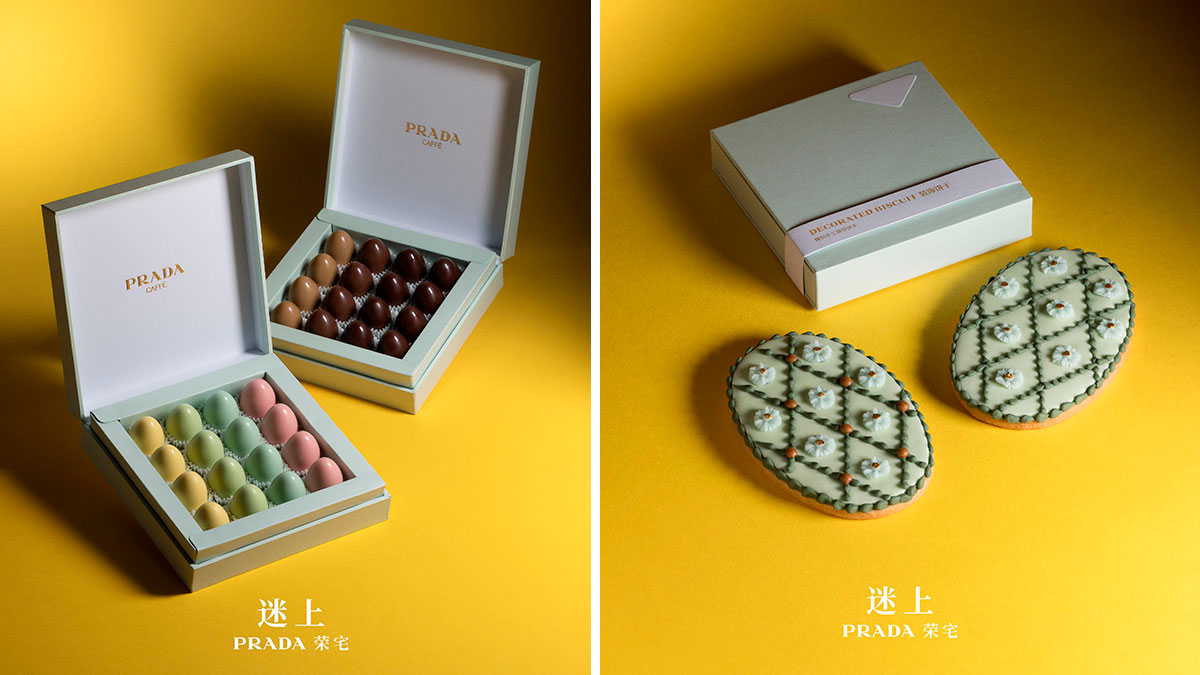
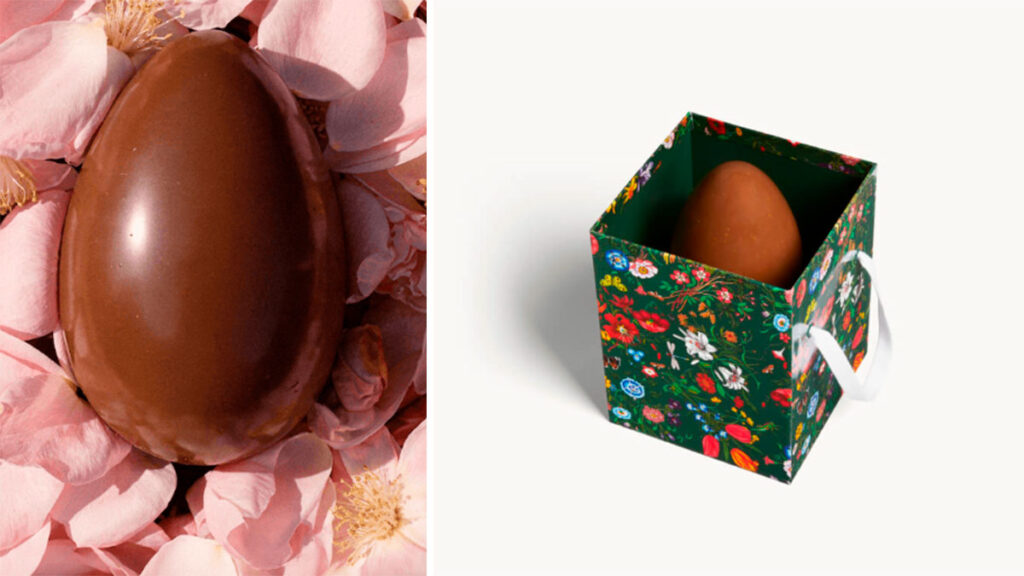
That's precisely what brands like Dior, Gucci, and Prada have done this year, transforming a classic Easter egg into an extension of their brand universe. It's not just about chocolate. It's about design, exclusivity, storytelling, limited editions, and desire. Ultimately, it's about turning a tradition into a positioning tool.
And while it might seem like an action reserved for the luxury sector, the reality is that the lessons learned go far beyond that segment. What these brands are activating is not just an aspirational proposition, but a very clear way of understanding how seasonal retail works today: the product matters, yes, but it matters more and more. how it is presented, how it is experienced, and how it is integrated into the shopping experience.
From product to purchase ritual
Dior, for example, has elevated Easter to almost haute couture status with a piece designed by chef Yannick Alléno, inspired by its Spring/Summer 2026 collection. Gucci has opted for a more understated, yet equally effective, approach, relying on the visual impact of the packaging and the logic of limited editions. Prada, meanwhile, has explored smaller, more visually striking, and collectible formats, reinforcing the idea of a special object that works particularly well in seasonal campaigns.
The interesting thing isn't just the product itself, but what it activates. Because these brands aren't just selling an Easter treat. They're generating:
- one reason to visit the store,
- an excuse to give a gift,
- a shareable product,
- and an experience that enhances brand value.
That's the real learning for retail.
Today, a seasonal campaign no longer competes solely on price or visibility. It also competes on ability to create context, experience and desire.
Un consumidor más selectivo, pero no menos emocional
This change connects directly with another reality of the current market: the consumer still wants to participate in consumption rituals, but does so in a much more selective way.
Emotional buying still exists, yes. But there's also more comparison, more calculation, and greater sensitivity to perceived value. Customers want to continue buying on dates like Easter, but they're making increasingly better decisions.
- where to buy,
- how much he/she spends,
- which format do you choose,
- and what does it really compensate him for?
This forces brands to move beyond the logic of decorative campaigns and adopt a much more strategic approach. It's no longer just about "having something for Easter," but about asking themselves... What specific proposal is being developed around that date? and how this proposal connects with actual customer behavior.
What's working this Easter in retail
Beyond the luxury sector, this campaign is providing several clear clues about how seasonal consumption is shifting.
Se está viendo una mayor presencia de smaller and more affordable formatsOffers with improved visual presentation, products designed for gifting, and a strong concentration of purchases in the days leading up to the key date are key. Diversification is also gaining importance: Easter no longer drives sales solely through chocolate, but also food, gourmet items, gifts, fashion, home decor, and consumer goods related to leisure or social gatherings.
In other words: the campaign remains powerful, but it requires more precision.
Because when consumers become more selective, simply being present is no longer enough. You have to be well.
The part that often defines the result: the store
And that's where an often underestimated layer comes in: the operation of the space.
A campaign can be very well planned, have powerful creative elements, a good product range, and an attractive sales proposition. But if the point of sale doesn't support it, the experience falls apart.
During periods like Easter, when traffic is concentrated, commercial demands increase, and everything happens in just a few days, the physical space has to respond seamlessly. And that depends on many factors that aren't always visible but directly impact sales and brand perception.
For example:
- lighting that doesn't complement the product,
- a display case that is not working properly,
- an electrical incident,
- an air conditioning problem,
- a damaged display case,
- or simply an environment that does not convey order and care.
In retail, especially during seasonal campaigns, the experience cannot be sustained solely through communication.
It is also supported from the execution.
The campaign is launched by marketing. The experience is sustained by operations.
That is one of the great truths of today's retail.
The in-store experience doesn't depend solely on the product or the window display. It also depends on everything behind the scenes functioning smoothly, quickly, and under control.
And that is why, in times of high commercial demand, operational preparation ceases to be a secondary issue and becomes a direct part of the result.
What does Impulsa contribute to campaigns like this?
At Impulsa, we work precisely to ensure that commercial spaces are prepared to respond when they are most needed.
We do this through comprehensive management aimed at ensuring operational continuity, technical control, and a store experience consistent with what the brand wants to project.
This includes services such as:
- preventive maintenance,
- corrective maintenance,
- predictive maintenance,
- technical services,
- store network support,
- and centralized incident management.
The objective is clear:
that the space complements the business, not hinders it.
Because in campaigns like Easter, where every detail influences the experience and the conversion, the difference often lies not only in the commercial proposition, but in everything that allows it to be sustained well.
The real Easter opportunity for retail
Easter is not just a promotional date.
It's real proof of something much more important: Which brands know how to turn a commercial opportunity into a well-executed experience?.
Those who best capitalize on these moments are not only those with the best product.
They are also the ones who arrive best prepared.
And in a retail environment where experience is increasingly important, that's no longer just an operational detail.
It's a direct part of the business.
Is your store ready to respond on the upcoming key dates in the retail calendar?
At Impulsa we help brands and operators prepare their spaces for seasonal campaigns and times of high commercial demand, with comprehensive management designed to ensure continuity, control and a better in-store experience.
If you want to prepare your store network with more foresight and less friction, we can help you.
↗ Impulsa. Security in every step.
✉️ incidencias@impulsa-eu.com
📞 +34 910 600 768