
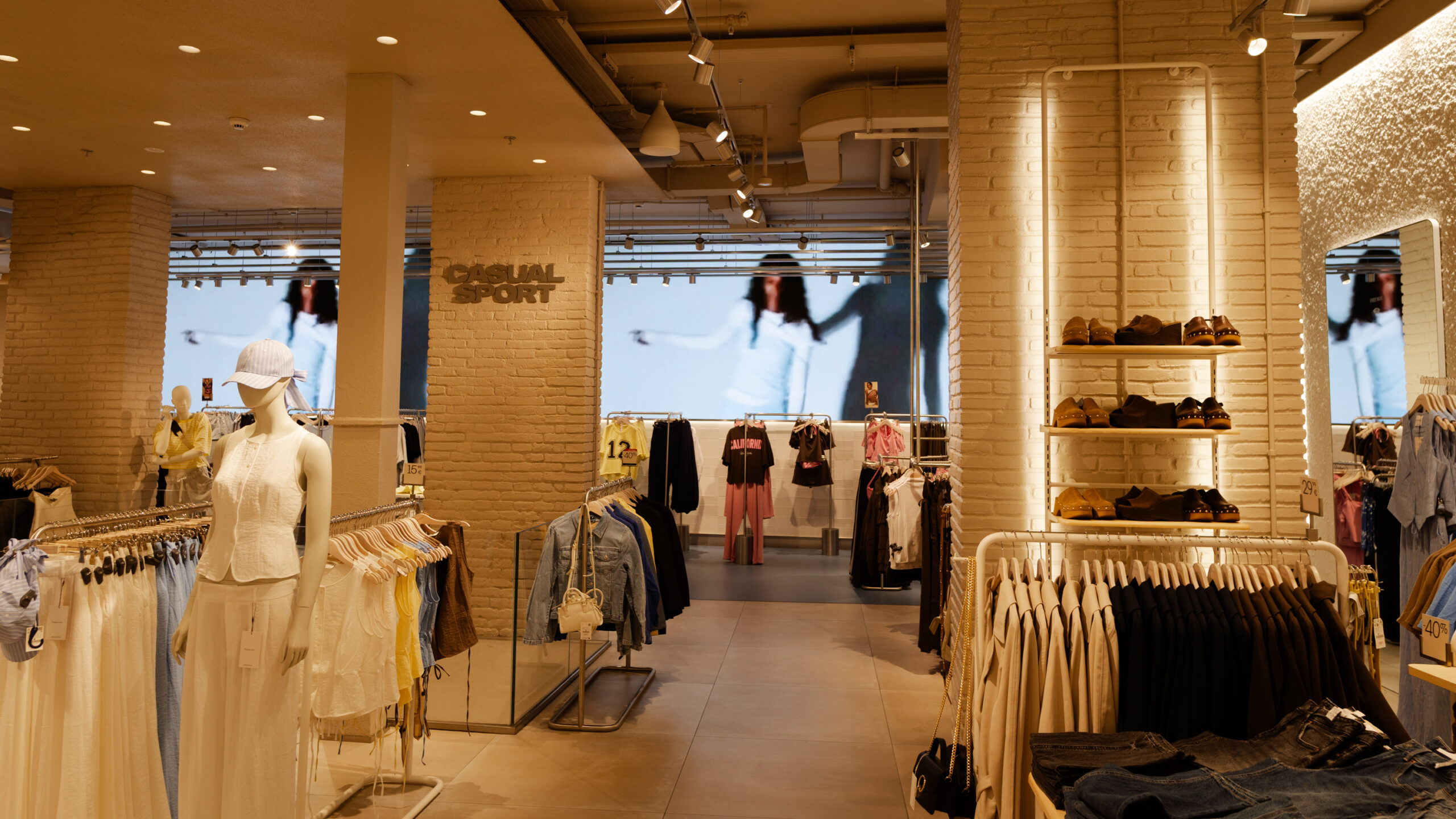
Spain is experiencing one of its most intense periods of commercial expansion in recent years in 2026. Fashion, discount, home goods, and restaurant chains are opening stores at a remarkable pace in city centers and retail parks, while international brands are establishing themselves in new cities across the country. Far from losing ground to online channels, brick-and-mortar retail is reinventing itself.
But it's reinventing itself with a new function: the store is no longer just the place where the customer buys. It's becoming a logistics hub.
The physical point of contact is no longer optional
The forecasts for this year are clear: a very significant portion of online orders in Southern Europe will include some physical touchpoint, whether it's in-store pickup, returns, or a showroom visit. And shoppers are no longer so focused on different channels: most European consumers now behave as hybrid shoppers, switching between physical stores and digital platforms depending on the time and their needs.
This transforms each store into a hub where three functions coexist simultaneously: sales, brand experience, and logistics. And all three depend on the space running flawlessly.
More traffic, more operational demands
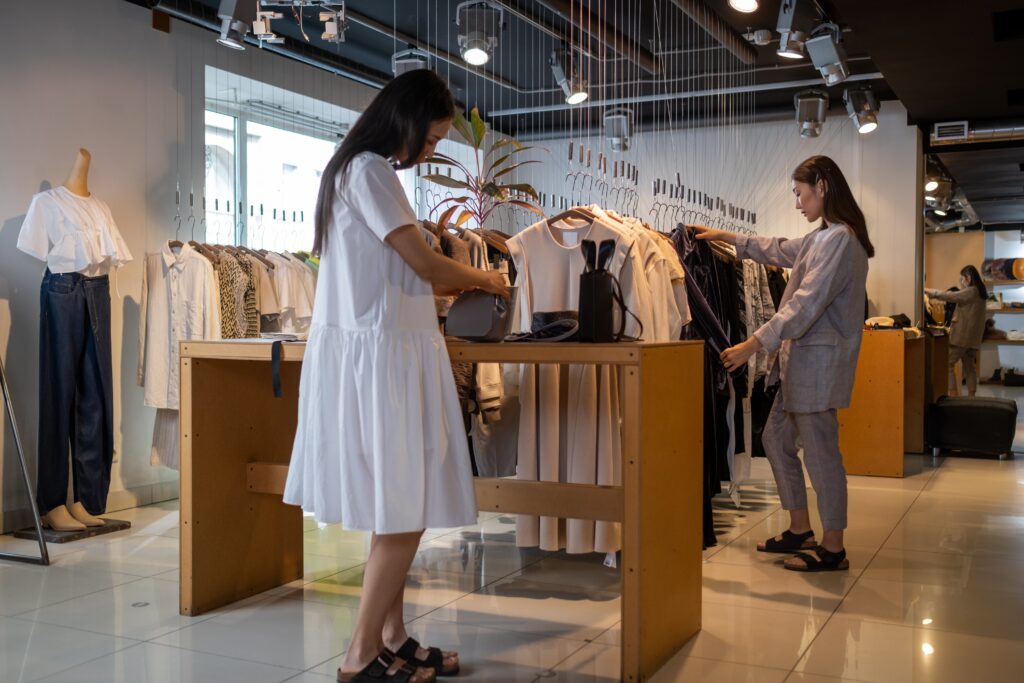
A store that handles pickups, returns, and in-store sales simultaneously experiences increased foot traffic, more product handling, and greater strain on its facilities: access points, storage, climate control, electrical systems, signage, and customer service areas. Just a few years ago, each of these functions was designed for a different level of activity.
The direct consequence is that the margin for error is reduced. A store that also operates as a logistics center cannot afford a technical issue during peak hours: it affects sales, order fulfillment, and brand perception all at once.
What this requires of Facility Management
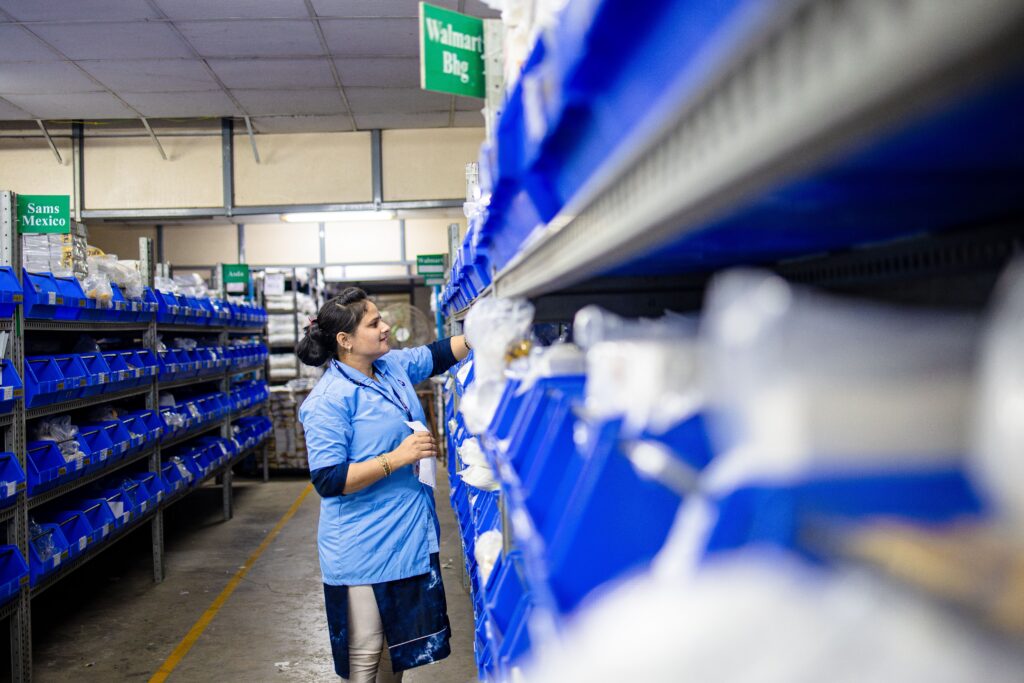
When the store takes on more functions, Facility Management ceases to be a background service and becomes part of the operational design:
Anticipation. Detecting wear and tear before it becomes an issue, especially in high-traffic areas.
Security and traceability. Each intervention must be recorded, with the person responsible and the next step, so that the history of the premises allows for better decision-making.
Immediate response capability. A problem in a store that combines sales and logistics doesn't allow for delays. Rapid coordination between the incident, the supplier, and confirmation of the solution makes all the difference.
Control of space as an operational asset. The physical layout of the premises no longer only responds to customer experience criteria, but also to logistical criteria: waiting space, collection areas, circulation flows.
Physical expansion requires a solid operational base.
The growth of brick-and-mortar retail in Spain is good news for the sector, but it also raises the operational standards expected of each point of sale. Brands opening stores this year not only need well-located premises: they need those premises to continue operating, day after day, under a greater operational burden than just a few years ago.
At Impulsa, we support this transition by providing operational continuity to stores that are now much more than a point of sale, in Barcelona, London and Dublin.

Discover how we work → http://impulsa-eu.com
Impulsa. Security in every step.
🌐 impulsa-eu.com ✉️ incidencias@impulsa-eu.com 📞 +34 910 600 768