
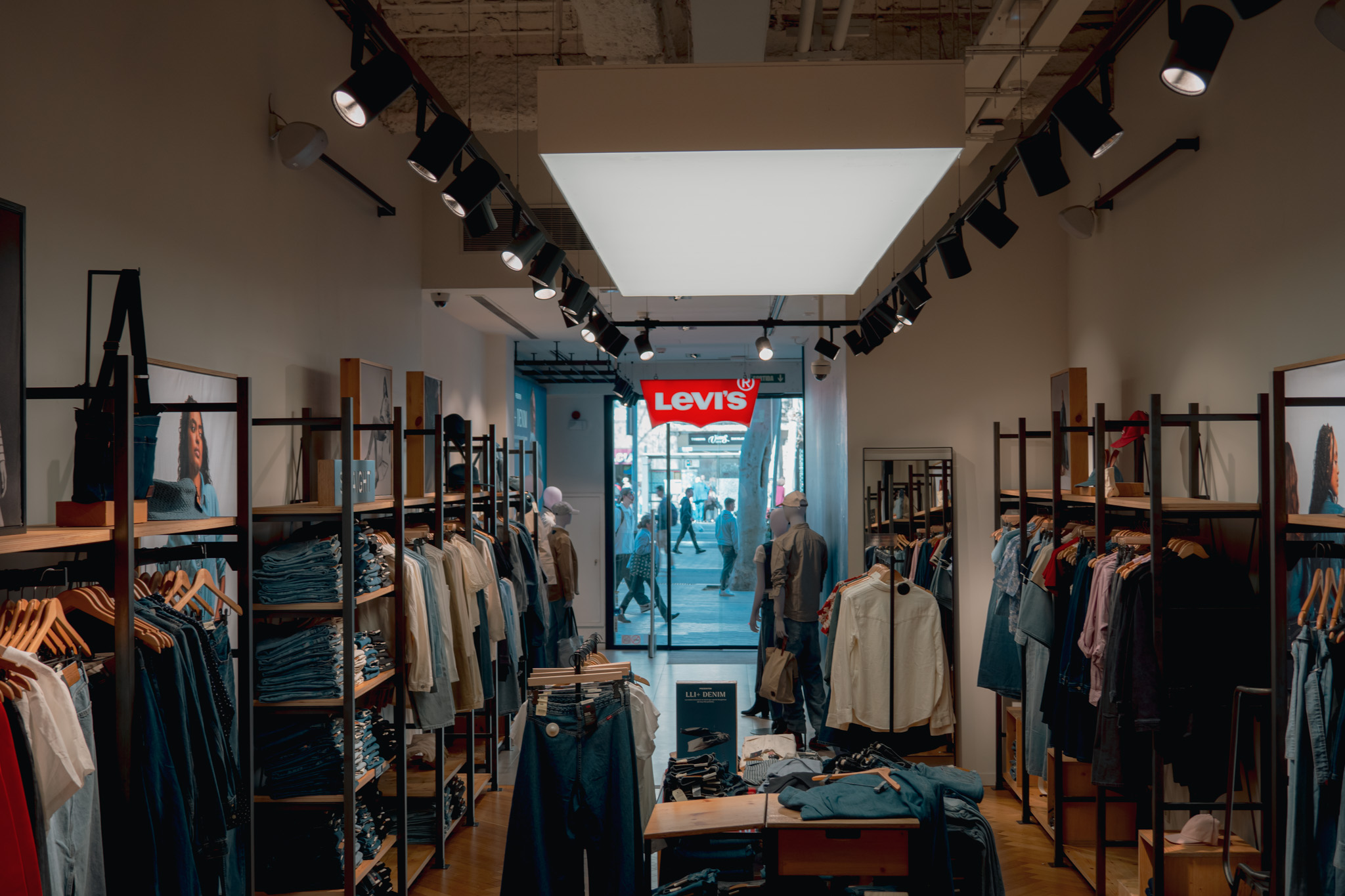
The change of season affects more than shop windows and collections. It also changes the conditions in which a store operates.
Temperatures fall, daylight hours shorten and the first rains arrive. Systems that have been unused for months are brought back into service, while entrances, roofs and drainage systems face new demands.
Waiting for a leak to appear or the heating to fail before checking the condition of the facilities turns an outstanding task into an active incident. In retail, these situations rarely affect the building alone: they also disrupt the customer experience, the team's work and the brand's image.

Autumn tests what summer does not reveal
During the warmer months, some problems can go unnoticed. A small crack in a roof, a partially blocked drain or a door that does not close properly may not interfere with day-to-day operations.
That changes when the rain arrives, the wind picks up or the heating is switched on.
That is when leaks, damp patches, heat loss and failures in systems that have been idle for months begin to emerge. The first week of bad weather should not be when they are discovered.
The difference lies in taking action before it is needed.
Entrances are also part of safety
Entrances are among the most exposed areas in autumn. Water tracked in from the street, wet floors and constant footfall can increase the risk of slips and damage the entrance area.
Keeping mats, flooring, automatic doors, closures and signage in good condition helps stores manage rainy days without obstructing customer movement.
In high-footfall stores, a poorly maintained entrance is not a minor detail. It can create risks, affect first impressions and force staff to deal with an issue that could have been anticipated.
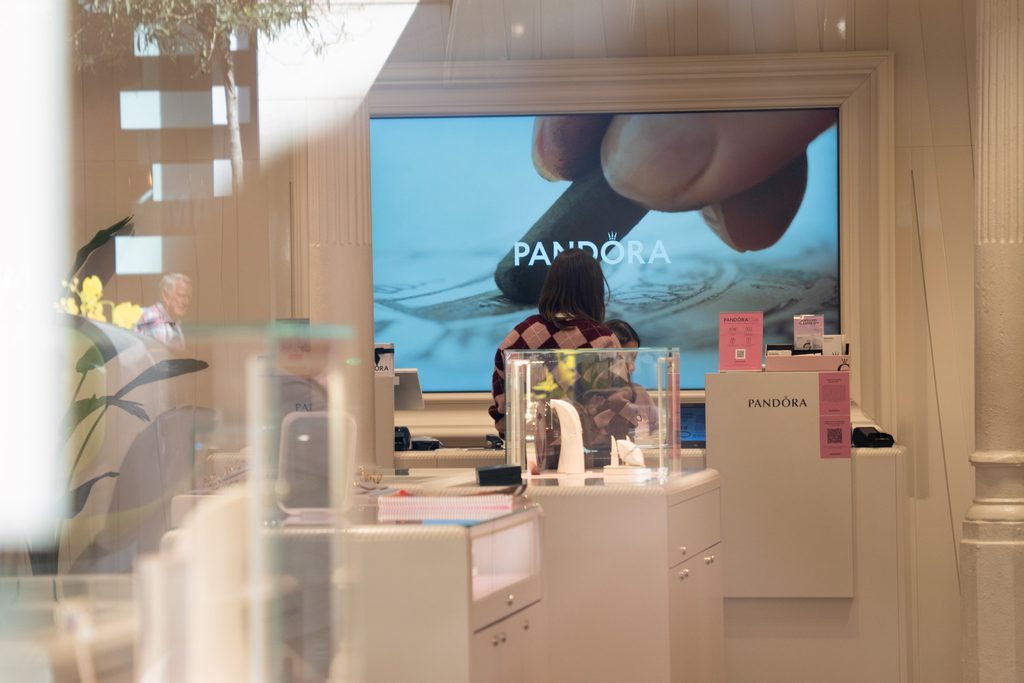
Switching on the heating is not enough
After several months out of use, heating systems need to be serviced. Waiting until the first cold day to switch them on can reveal faults, noise, reduced performance or temperature differences between areas.
Filters, thermostats and ventilation equipment should also be checked. Maintaining a stable temperature affects not only customer comfort, but also the staff working throughout the day and, in some sectors, proper product preservation.
A store can be open and still fail to provide the right conditions for business to operate.
Less daylight puts greater demands on lighting
In autumn, days shorten and artificial lighting becomes more important. Shop windows, circulation areas, fitting rooms, stockrooms and checkouts depend on every lighting system working correctly for longer hours.
A faulty light fitting may seem like a minor incident, but its impact depends on where it is. In a shop window it reduces visibility; in a fitting room it changes how the product looks; and in a back-of-house area it can affect staff safety.
Checking lighting before the months with shorter days helps identify faults and maintain a consistent experience throughout the space.
Roofs, gutters and drains: prepare for the rain
Many leaks do not start during a storm. They develop over months as dirt builds up, seals wear and minor damage eventually gives way when water levels rise.
Before the rainy season, it is worth checking:
- Roofs and sealing points.
- Gutters and downpipes.
- Gullies and drainage systems.
- Door and shop-window seals.
- Signs of damp on ceilings or walls.
- Outdoor areas near the entrance.
Finding an issue during planned maintenance gives more time to respond. Finding water inside the store means acting under pressure.
Act before the busiest months
Autumn also marks the start of one of the busiest periods in the retail calendar. New collections, sales campaigns and higher footfall gradually reduce the windows available for work without disrupting operations.
This makes October a key moment: there is still time to service facilities, coordinate suppliers and complete outstanding work before operational pressure increases.
The aim is not to check everything indiscriminately. It is to identify what could compromise store continuity in the coming months, then assign owners, priorities and next steps.
Planning ahead also protects the brand experience
Customers do not see preventive maintenance or the follow-up of a service order. They do notice the results: a comfortable temperature, a safe entrance, a well-lit shop window and a store that keeps working as external conditions change.
Operational continuity is built through the work done before an issue becomes an incident.
At Impulsa, we support our retail clients through each change of season, coordinating preventive maintenance, suppliers and technical follow-up in Barcelona, London and Dublin.
The first rain should confirm that the store is ready, not reveal that something was left undone.
Impulsa. Security in every step.
🌐 impulsa-eu.com ✉️ incidencias@impulsa-eu.com 📞 +34 910 600 768